Caricature:
The Weapon of Laughter!
A mini-encyclopedia to discover the art of satire
Overview: Honoré Daumier (1808-1879) is undoubtedly the towering figure of French caricature. Through his powerful lithographs, Daumier actively contributed to the famous newspaper Le Charivari, immortalizing the abuses of the bourgeoisie and the political corruption of his time.
| Masterpiece | Year | Target | Description |
|---|---|---|---|
| Gargantua | 1831 | Politics (King Louis-Philippe) | Depicts the King swallowing the wealth of the people. This work sent Daumier to prison. |
| The Legislative Belly (Le Ventre Législatif) | 1834 | Politics (Parliamentarians) | A caricatured portrait brilliantly and heavily depicting corrupt centrist deputies. |
| Rue Transnonain, April 15, 1834 | 1834 | Politics / Justice | Denounces the massacre of civilians by the army in a tragic tone, devoid of humor. |
| The Men of Justice (Les Gens de Justice) (series) | 1840s | Justice / Bourgeoisie | A fierce mockery of the arrogance, cynicism, and theatricality of lawyers. |
Who was Honoré Daumier, and why is he a master of caricature?
What were Honoré Daumier’s political and social targets?
Honoré Daumier (1808-1879). Considered one of the greatest caricaturists, Daumier fiercely criticized the society and politicians of his time. His caricatured portraits (portraits-charges) remain famous. A versatile artist, he aspired to be recognized as a painter, but it was in his daily lithographs published in Le Charivari that he left the most exhaustive and scathing commentary on the century he lived in.
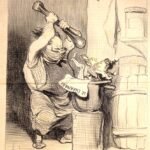
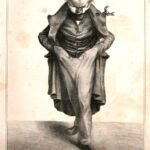
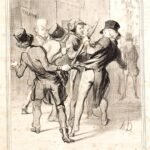
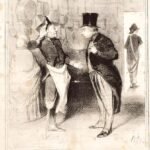
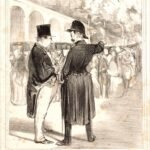
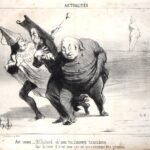
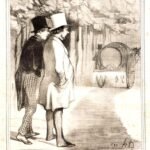
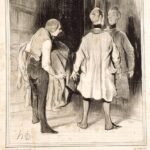
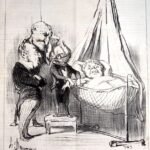
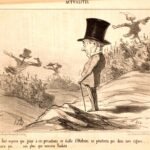
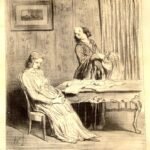
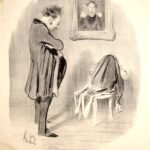
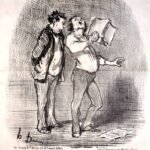
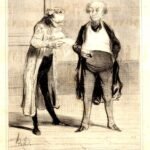
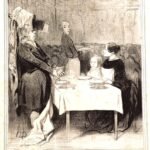
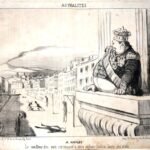
Daumier loved depicting Parisian life, street architecture, and the atmosphere of bistros. To give an artistic and traditional cachet to your own establishment, I offer hand-painted boulevard signs for restaurant menu stands, as well as architectural illustrations for prestige restaurants.